The difference between LED solar lights and conventional street lights is that the LED light source is powered by low-voltage DC, combining efficient white light from GaN-based power blue LED and yellow light, which has the characteristics of high efficiency, safety, and energy saving. It is environmentally friendly, has a long lifespan, fast response time, and high color rendering index. With unique advantages, it can be widely used on roads. The outer casing can be made that is resistant to high temperatures up to 135 degrees and low temperatures down to -45 degrees.
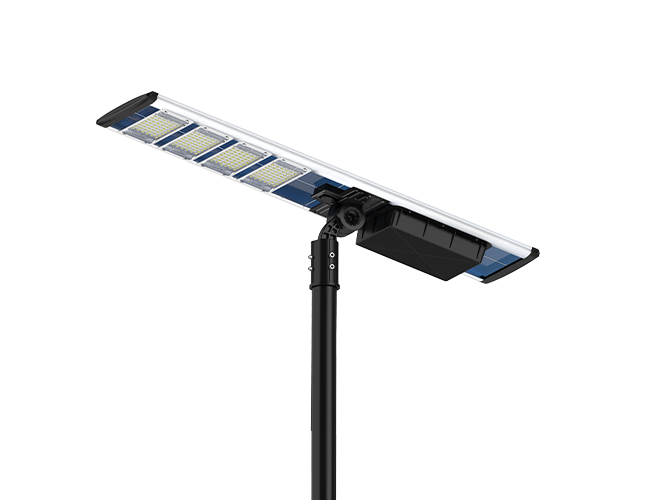
LED solar light should be able to better meet the requirements for night use, and LED solar light can meet people's lighting needs and normal use, so we must pay more attention to the correct use and installation methods of LED during use.
When using high-power LED solar lights for the first time, it is necessary to install them according to the actual lighting requirements on-site, while adjusting the position and height of the lamps.
Secondly, determine the appropriate lamp installation method. The LED solar light supplier adjusts the installation bracket, and then prepares the corresponding length of the three-core cable according to the distance from the lamp to the power source connection.
Use your hand to open the latch at the front of the lamp, open the upper cover of the lamp, and guide the cable through the wire hole filled in the back of the lamp into the lamp chamber. Connect the cable according to the polarity marked on the socket inside the lamp.
It should be noted that after the LED solar light is connected, the cable must be crimped with a wire press.
Insert the lamp post into the introduction hole of the installation bracket, select the appropriate position to place the lamp post into the bracket tube according to the angle required for lighting, and tighten the tightening bolt to firmly connect it to the lamp.
For dim street lights, first check whether the installation location has sufficient sunlight. If the light is insufficient, the solar panel may not be able to supply power to the battery normally.
Solar street lights generally use LED lights, but if the street lights are not lit, besides the quality of the light bulbs, it is more likely that there is a problem with the connection and welding of the lamp holder, which should be replaced. Turn off the dim street LED solar light or check the unlit lights and repair the problems found.
After long-term use, there may be poor contact in the circuit, especially the battery may leak electricity, causing the stored energy to decrease, thereby causing the LED solar street light to blink all the time. At this time, it is necessary to check and replace the line in time.
When the LED solar lamp becomes dim and not as good as before, you need to check the battery to see if its energy storage has decreased. If such a problem occurs, replace the new battery in time.
For this situation, first check whether there is any water leakage or electrical leakage. It may be that the controller has a problem. If possible, test the voltage. If the voltage is below 10.8V, it is not a problem with battery leakage or power supply. Then check whether the solar panel has sufficient voltage. If there is no voltage, replace the solar panel in time. The solar LED lights factory cannot comment on the problem of the brightness of street lights that may exist. In fact, the brightness of high-brightness street lights is not necessarily a good product. The brightness of LED solar light itself is ten times that of traditional lights. Too high bright LED solar lights will waste energy and easily cause glare from the street lights.
For first-use of an LED solar light, install the unit in the actual site and adjust position and height accordingly. Ensure the solar panel receives adequate sunlight so the battery can charge properly.
Open the latch at the front of the lamp, remove the upper cover, guide the cable through the back cable entry hole, then connect according to the polarity marked inside the lamp. After connection the cable must be crimped. Fix the lamp pole into the bracket and tighten the bolt to ensure firm installation.
Choose a location with sufficient sunlight and avoid heavy shading. For mounting, select an appropriate installation method and prepare three-core cable length to the power connection. Ensure the LED light source, wiring and battery integrity are checked for proper outdoor use.
Open the front latch of the lamp, open the upper cover to access internal wiring and components. Then guide the cable through the back wire hole filled portion into the lamp chamber.
According to industry sources and solar lighting typical systems: solar street lights commonly use low‐voltage DC systems, such as 12 V or 24 V for battery/lighting systems. [1] Conventional LED street lights on grid may run on wider AC ranges (e.g., 120 V–277 V or higher) depending on region. [2]
References:
[1] https://www.alltopgroup.com/what-is-the-voltage-of-the-solar-street-light.html
[2] https://www.ledmyplace.com/blogs/stories/what-voltage-do-led-street-lights-use

Make your business profitable
Zero your Electricity bill
Leading the solar solutions industry

 English
  français
  Deutsch
  Español
  italiano
  русский
  português
  العربية
  Türkçe
  Malay
Malay  Indonesia