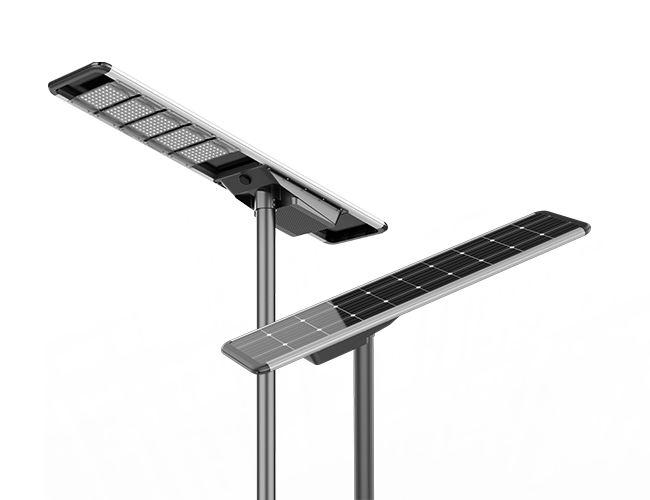
3_20250730162913.jpg "All In One Solar Adjustable LED Street Light")
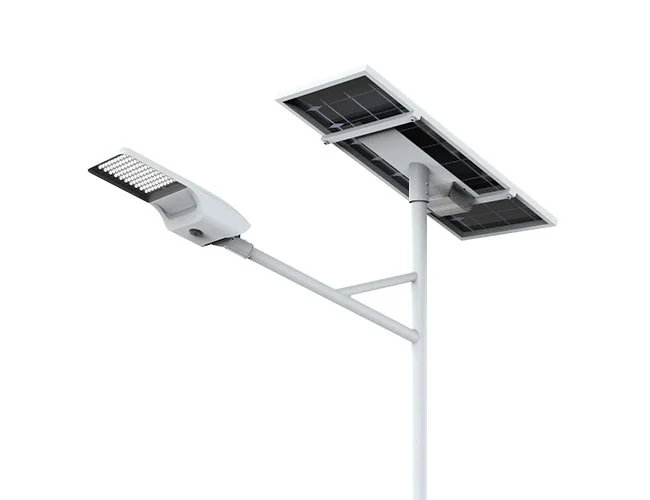
Smart solar street lights combine high-efficiency solar lighting technology with intelligent control functions to deliver more reliable, energy-saving, and adaptive outdoor lighting solutions. Unlike conventional solar street lights that operate in fixed modes, smart solar street lights automatically adjust lighting behavior based on environmental conditions and usage patterns.
Anern’s intelligent solar street lights are designed for modern road lighting projects that require improved energy management, reduced maintenance, and enhanced lighting performance across different outdoor environments.

Automatic lighting adjustment based on time, battery status, and environmental conditions
Optimized energy usage, extending lighting hours even during cloudy or rainy days
Reduced maintenance requirements through intelligent system protection
Improved lighting efficiency with adaptive brightness control
Enhanced system lifespan by preventing overcharging and deep discharging
These benefits make road smart solar street lights ideal for projects where performance consistency and long-term cost savings are essential.
Solar smart street lights equipped with built-in control systems go beyond traditional dusk-to-dawn operation by intelligently managing energy use and lighting output to match real traffic and environmental conditions. Instead of simply turning on at night and off at dawn, this system uses a smart solar controller that automatically adjusts light output based on battery capacity, time of night, and ambient conditions. By integrating time-based dimming, adaptive output control, and sensor feedback, the built-in controller maximizes energy efficiency and extends battery life.
For example, the lighting output can be high during peak hours and automatically dimmed or reduced during low-traffic hours to conserve energy for the next night. This smart behavior helps reduce energy consumption, minimize battery stress, and prolong the lifetime of both LEDs and batteries, making it suitable for urban streets, community lighting, and long-term installations where consistent performance is critical.
Wireless control represents the next level of smart lighting, adding remote monitoring and management capabilities to solar street lights. Solar street light with remote control can be connected to a central platform or management software, allowing operators to remotely turn lights on or off, adjust brightness levels, and configure dimming schedules without on-site intervention.
Remote on/off control and brightness adjustment — control lighting based on real-time needs or special events.
Scene and schedule configuration — set different lighting profiles for seasons, holidays, or specific time periods to optimize energy use.
Real-time status monitoring — view battery levels, power output, fault conditions, and operational history through an online dashboard.
Fault alerts and maintenance planning — receive immediate notifications if a lamp fails or deviates from expected performance.
IoT solar street lights are smart street lighting systems operates by combining a solar power system with an intelligent control unit and wireless communication module. During the daytime, solar panels convert sunlight into electrical energy, which is stored in high-capacity batteries. At night, the controller powers the LED light according to preset schedules or sensor input. The IoT module transmits real-time data, such as energy status, lighting performance, and system health, to a cloud-based management platform. Through this platform, users can remotely adjust settings, receive alerts, and analyze system performance without on-site intervention.
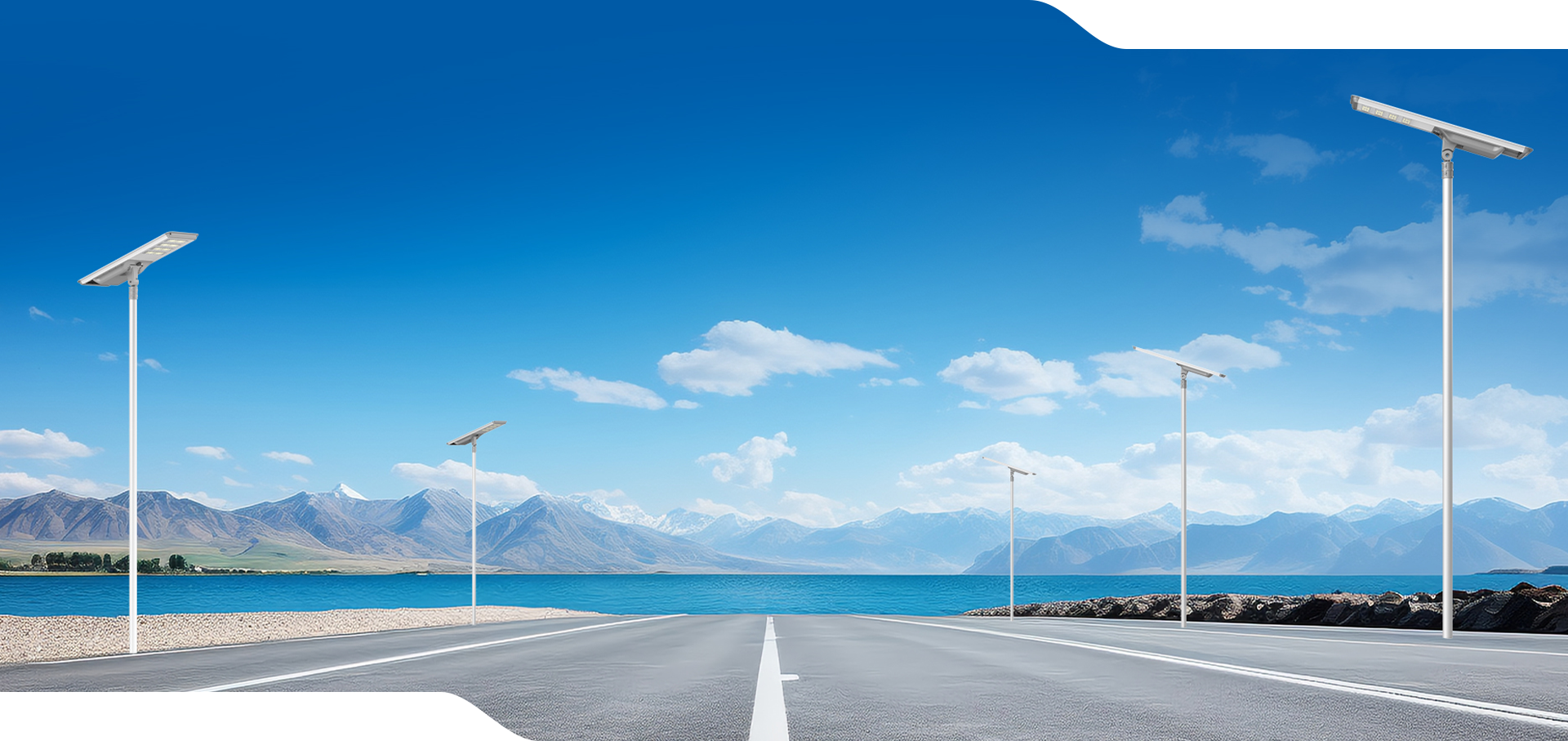
A smart solar street light uses intelligent controllers and sensors to automatically adjust lighting behavior for better energy efficiency and performance.
Yes. Intelligent energy management helps optimize battery usage to maintain lighting stability.
Yes. Their adaptive brightness and motion sensing make them ideal for residential and community environments.
Yes. Anern offers customization options for control modes, sensors, wattage, and system configuration.
Depending on project requirements, systems can support technologies such as GSM, LoRa, or other wireless communication protocols.

Make your business profitable
Zero your Electricity bill
Leading the solar solutions industry

 English
  français
  Deutsch
  Español
  italiano
  русский
  português
  العربية
  Türkçe
  Malay
Malay  Indonesia