For thousands of rural villages, nightfall brings a halt to commerce, limits social interaction, and introduces significant safety concerns. Traditionally, extending the electrical grid to these remote areas has been deemed too expensive or technically unfeasible due to rugged terrain and low population density.
However, the advent of solar technology has changed the narrative. Solar street lights have become the primary solution for rural electrification and revitalization. By harnessing the abundant power of the sun, villages can leapfrog traditional infrastructure and enjoy modern, sustainable illumination. This shift is not just about visibility; it is about safety, economic empowerment, and the "Rural Revitalization" movement.
For decades, the last mile of infrastructure has been the most difficult to bridge. Extending high-voltage lines, installing transformers, and digging trenches for cables in a small village can cost tens of thousands of dollars. Furthermore, even if the grid arrives, many village councils struggle to pay the ongoing monthly electricity bills required to keep conventional street lights running.
Solar street lights solve these issues by being entirely decentralized. Because each light is its own self-contained power plant, there is no need for cabling or trenching. This dramatically reduces installation costs and eliminates electricity bills forever. For a remote village, this financial independence is the difference between a project that fails after a year and one that provides light for a decade.
The concept of "Rural Revitalization" is a global trend aimed at improving the quality of life in the countryside to prevent mass migration to overcrowded cities. Lighting plays a pivotal role in this strategy. The introduction of solar street lights does more than just light up a road; it illuminates the road to revitalization by fostering a safer and more productive environment.
1. Enhanced Public Safety and Security
Darkness is often a precursor to crime and road accidents. In villages where pedestrians, livestock, and vehicles share narrow paths, visibility is paramount. Solar street lights reduce the risk of traffic-related injuries and provide a sense of security for women, children, and the elderly moving about after sunset.
2. Boosting the Local Economy
When a village is lit, the workday doesn't have to end at 6:00 PM. Local kiosks, markets, and workshops can stay open later, increasing household income. Community spaces become vibrant hubs for evening education or social gatherings, strengthening the social fabric of the village.
3. Environmental Stewardship
Villages are often located in areas of high biodiversity. Traditional lighting with heavy carbon footprints and light pollution can disrupt local ecosystems. Solar lights are clean, green, and, when designed correctly, can minimize light spill, preserving the natural beauty of the rural night sky.
In a city, a broken street light is a nuisance; in a remote village, it is a disaster. Maintenance crews may take weeks to reach a remote location, and replacement parts can be hard to find. This is why choosing a high-quality manufacturer like Anern is essential for rural projects. Anern has established itself as a leader in the renewable energy sector, specifically tailoring products to withstand the rigors of off-grid environments. For village applications, the durability offered by Anern ensures that the initial investment continues to pay off for years.
High-Efficiency Solar Panels: In many rural areas, dust or partial shading from trees is common. Anern uses high-conversion monocrystalline silicon panels that can generate power even in low-light conditions, ensuring the battery charges even on cloudy days.
LiFePO4 Battery Technology: Older lead-acid batteries are heavy and prone to theft. Modern village solar street light should use LiFePO4 batteries. They are lightweight, have a much longer lifespan, and can handle the deep discharge cycles required for consistent lighting.
Smart Energy Management: Village lights shouldn't run at 100% brightness all night if no one is around. Smart controllers with PIR motion sensors allow the light to dim to 30% when the street is empty and boost to 100% when a person or vehicle approaches. This smart usage significantly extends the battery’s autonomy during rainy seasons.
Weather Resistance: Rural environments can be harsh from tropical monsoons to desert heat. Lights must have a minimum rating of IP65 to protect against water and dust ingress.
One of the biggest hurdles for village leaders is the technical complexity of choosing the right system. Anern simplifies this process by offering integrated all-in-one and all-in-two solar street lights. These systems are designed for DIY-friendly installation, meaning local villagers can often be trained to install the lights themselves, fostering a sense of community ownership and providing local employment. Furthermore, Anern’s commitment to R&D means their lights are optimized for low-maintenance longevity. By using high-quality aluminum alloys for the housing, the lights resist the corrosion and rust that often plague cheaper, plastic-based alternatives found in rural markets.
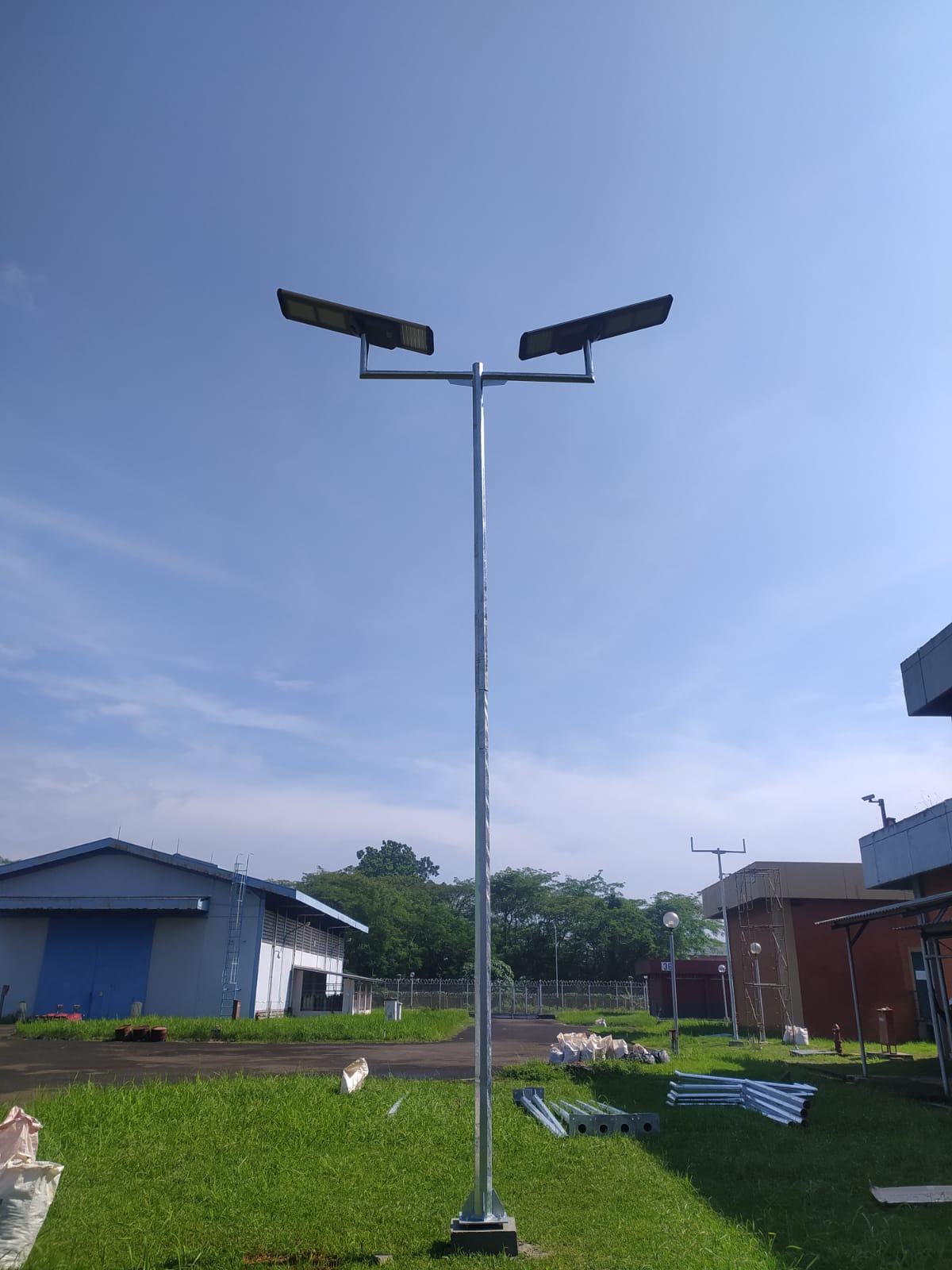
While the benefits are clear, solar street light in village projects often face hurdles like initial funding and technical maintenance. Here is how these are being addressed:
Funding: Many governments and NGOs are now prioritizing solar lighting in their rural development budgets. Because the long-term ROI is so high due to zero electricity costs, these projects are increasingly attractive to international donors.
Maintenance: Regular maintenance can be handled by the local community. By involving the villagers in the upkeep, the systems remain operational for much longer than top-down government projects where the community has no stake in the infrastructure.
The transformation of a village from darkness to light is one of the most visible indicators of progress. Solar street lights represent more than just a technological upgrade; they represent a commitment to equality, ensuring that geography does not dictate a person’s access to safety and opportunity.
As villages continue to grow and modernize, the demand for reliable, sustainable lighting will only increase. By partnering with experienced providers like Anern, rural communities can ensure they are installing systems built to last. The road to rural revitalization is long, but with the right solar lighting, that road will be bright, safe, and sustainable for generations to come.



Make your business profitable
Zero your Electricity bill
Leading the solar solutions industry

 English
  français
  Deutsch
  Español
  italiano
  русский
  português
  العربية
  Türkçe
  Malay
Malay  Indonesia