For years, a common skepticism loomed over renewable energy: Is it powerful enough? When solar street lights first hit the market, they were often relegated to decorative garden use or dim pathway markers. However, thanks to rapid advancements in LED technology and energy storage, modern solar street lights are now challenging the performance of traditional high-pressure sodium grid-tied lights.
But how bright are they exactly? And how do we measure that brightness in a way that makes sense for urban planning or commercial security? To answer these questions, we must look beyond the wattage and dive into the world of lumens, luminous efficacy, and smart power management.
In the era of traditional lighting, we judged brightness by wattage. However, wattage is a measure of power consumption, not light output. In the world of solar, where efficiency is everything, the relevant metric is the lumen (lm). [1]
A lumen measures the total amount of visible light emitted by a source. The brightness of a solar street light is the result of its luminous efficacy, the ratio of lumens produced per watt of electricity used (lm/W). Modern high-end solar lights, such as those engineered by Anern, achieve efficiencies of 160lm/W to 200lm/W. This means a relatively low-wattage solar LED can produce the same brightness as a power-hungry 400W traditional lamp.
Not every street requires the same level of illumination. The required brightness varies significantly based on the environment:
Residential Pathways: These typically require 2,000 to 5,000 lumens. This is sufficient for pedestrian safety and facial recognition without creating light pollution in neighborhoods.
Urban Streets: For secondary roads and commercial areas, the standard jumps to 6,000 to 10,000 lumens. This provides a wide, clear throw of light that ensures vehicular safety.
Highways and Major Arterials: These require maximum visibility. Commercial-grade solar street lights for these areas produce 12,000 to 20,000+ lumens. [2]
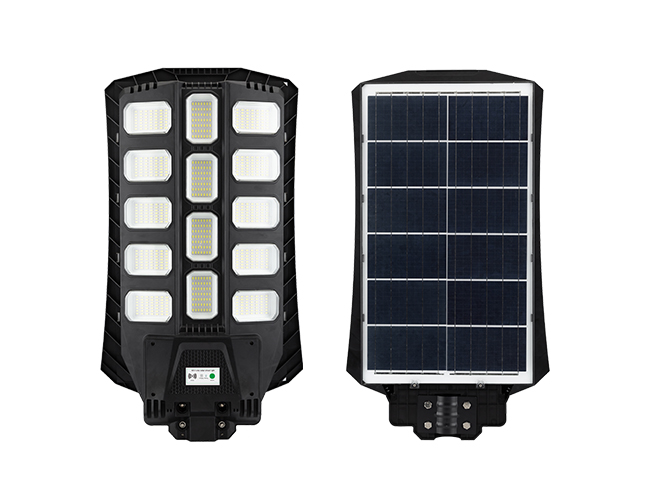
Anern specializes in this entire spectrum, offering integrated solar street light that can be customized to meet specific Lux (light intensity on the ground) requirements for different municipal projects.
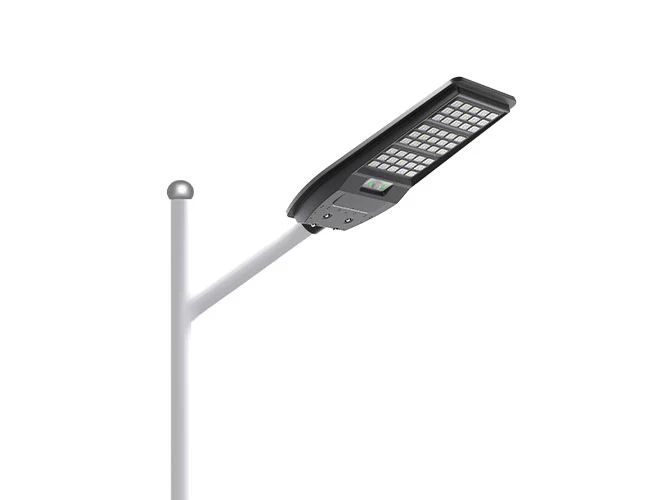
A common question among engineers is the ceiling of solar brightness. The maximum output is technically limited only by the size of the battery and the solar panel. While 20,000 lumens is a standard high-end benchmark for many, some specialized split-type solar lights can reach 30,000 lumens or more. [3]
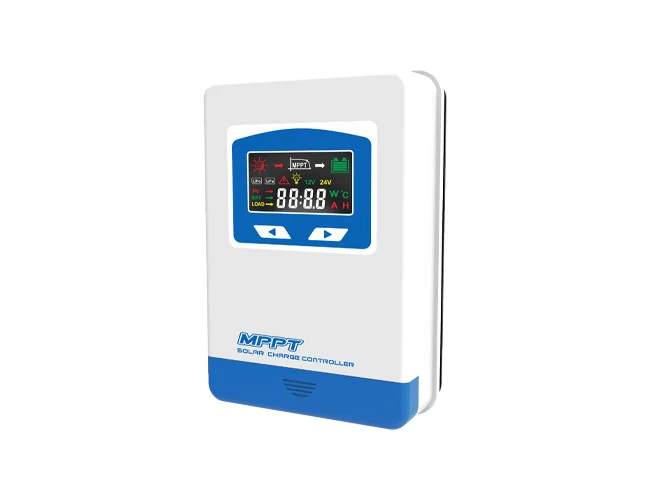
The challenge isn't just producing the light; it’s sustaining it. To produce 20,000 lumens all night long, a light requires a massive battery bank and a high-wattage photovoltaic panel. This is why Anern’s design philosophy often focuses on intelligent power management. By using smart controllers, the light can stay at maximum brightness during peak traffic hours and dim down during the quiet hours, effectively stretching the brightness across the entire night.
Raw lumen numbers don't tell the whole story. Two lights can both claim 10,000 lumens, but one may appear much brighter and clearer than the other. This is due to several technical factors:
Solar LEDs usually operate between 4000K (Natural White) and 6000K (Cool White). Higher color temperatures appear brighter to the human eye because they mimic daylight, providing better contrast and clarity than the dim orange glow of old street lamps.
The brightest light is the one that puts the light exactly where it's needed. Using Type II or Type III optics (often called "Batwing" distribution), solar lights can spread their lumens horizontally along a road rather than wasting light in a circle under the pole. This efficient distribution increases the Lux (lumens per square meter) on the pavement.
The brand of the LED chip matters. Top-tier chips from manufacturers maintain their brightness for years. Cheaper chips suffer from lumen depreciation, meaning they might start bright but lose 30% of their output within the first year.
You cannot have a bright light without a robust power source. The brightness is essentially a calculation of energy balance:
Panel: Must be large enough to harvest enough energy in 5–6 hours of sunlight to power the LEDs for 12 hours of darkness.
Battery: Must have the capacity to discharge high current to support high-lumen output.
Anern utilizes high-conversion monocrystalline solar panels and LiFePO4 batteries. These batteries are crucial because they can handle deep discharges and provide the consistent voltage necessary to keep the LEDs at their peak brightness even as the battery drains toward morning.
When determining how bright your solar LED street light should be, consider this checklist:
What is the mounting height? A 6-meter pole usually requires 6,000–8,000 lumens, while a 10-meter pole may need 12,000–15,000.
What is the road width? Wider roads require better optics and higher lumen counts.
What are the local lighting standards? Many municipalities have Lux requirements for different classes of roads.
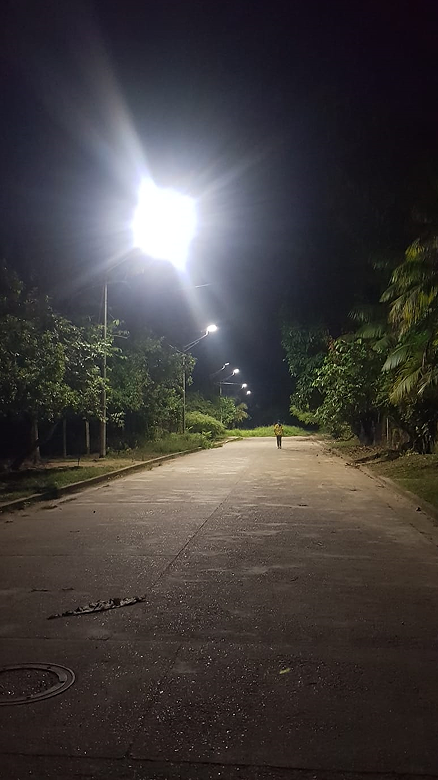
In conclusion, modern solar street lights are more than bright enough for almost any application. With the ability to produce over high lumens and sustain that output through intelligent battery management and high-efficiency LED chips, solar has moved from a niche alternative to a primary solution. For those seeking the perfect balance of high-lumen output and long-term reliability, Anern offers a wide array of solar lighting systems designed to illuminate the world’s streets with clean, powerful, and sustainable energy.
Reference:
[1] https://greenfrogsystems.com.au/solar-tips/how-many-lumens-should-a-solar-light-be/
[2] https://www.streetlights-solar.com/how-to-find-the-brightest-solar-street-lights.html
[3] https://www.bosunlighting.com/what-is-the-maximum-lumen-output-of-a-solar-street-light.html

Make your business profitable
Zero your Electricity bill
Leading the solar solutions industry

 English
  français
  Deutsch
  Español
  italiano
  русский
  português
  العربية
  Türkçe
  Malay
Malay  Indonesia