When municipalities, business owners, or homeowners consider transitioning to renewable energy, the primary concern is often the Return on Investment (ROI). Solar street lights are a significant upfront investment compared to traditional grid-tied lamps. Therefore, the most critical question is: How long do solar street lights last?
The short answer is that while the entire system is designed to provide service for 5 to 10 years, individual components have varying lifespans. Understanding the longevity of each part and knowing how to maintain them is the key to ensuring your solar lighting infrastructure remains functional for decades.
As a pioneer in the industry, Anern has focused its research and development on maximizing these lifespans through high-quality materials and intelligent energy management.
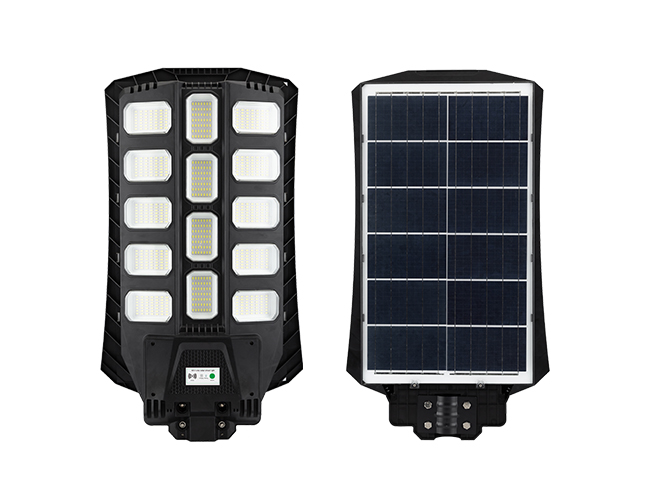
The solar panel is the most durable part of the entire system. Most high-quality monocrystalline solar panels are designed to last 20 to 25 years. [1] It is important to note that solar panels do not typically break or stop working abruptly. Instead, they undergo a process called degradation. On average, a panel’s power output decreases by about 0.5% to 1% per year. After 25 years, a panel should still operate at approximately 80% of its original rated capacity.
To achieve this 25-year milestone, solar street lights manufacturers like Anern use tempered glass and corrosion-resistant aluminum frames to protect the sensitive silicon cells from hail, wind, and debris.
If the solar panel is the most durable part, the battery is historically the most vulnerable. The lifespan of a solar street light is often dictated by the battery’s cycle life, the number of times it can be charged and discharged before its capacity drops significantly.
There is a massive difference between battery types:
Lead-Acid Batteries: Common in older or cheaper systems, these usually last only 2 to 3 years. They are sensitive to temperature and deep discharges.
LiFePO4 Batteries: This is the current gold standard. LiFePO4 batteries can last between 5 to 8 years (or 2,000+ cycles). [2]
Anern exclusively utilizes high-grade LiFePO4 technology in its integrated solar street lights. By pairing these batteries with smart controllers that prevent over-discharge, the battery's life is stretched to its maximum potential, significantly reducing the maintenance costs associated with frequent replacements.
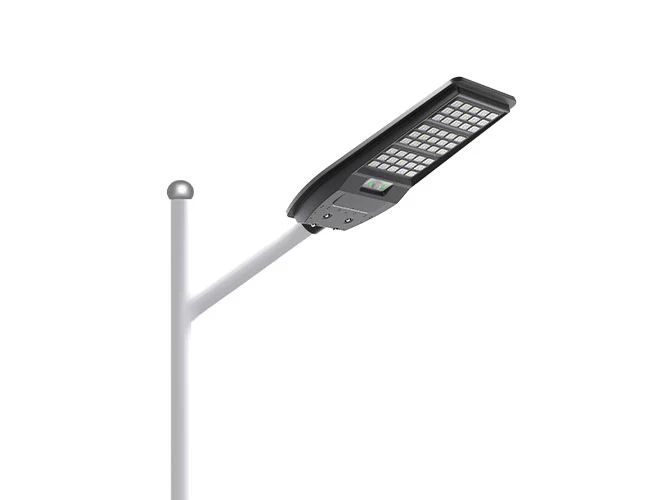
One of the greatest advantages of modern solar lighting is the move to LED technology. Traditional high-pressure sodium bulbs lasted maybe 10,000 to 15,000 hours. In contrast, industrial-grade LEDs are rated for 50,000 to 100,000 hours.
If a solar street light operates for 12 hours a night, 50,000 hours equates to roughly 11.5 years of operation. LEDs are incredibly resilient because they have no filament to burn out. However, their lifespan depends heavily on thermal management. If the light fixture is poorly designed and the LEDs overheat, their lifespan will be cut short. Professional designs from Anern feature robust heat sinks to ensure the LEDs stay cool and maintain their brightness for over a decade.
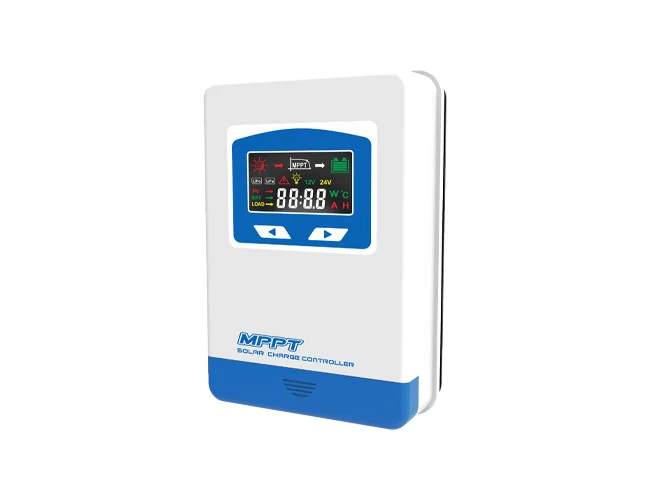
The solar charge controller manages the flow of electricity from the panel to the battery and then to the light. It is a critical component that determines the health of the battery. A high-quality MPPT (Maximum Power Point Tracking) controller usually lasts between 5 to 8 years. [3] The controller’s lifespan can be shortened by moisture or extreme heat. This is why all-in-one solar lights are popular; the controller is housed within a sealed, IP65 or IP67-rated waterproof casing, protecting the delicate electronics from the elements.
While the technical specifications provide a baseline, real-world conditions play a huge role in how long your lights will actually last.
Batteries are chemical engines. In extremely hot climates, the chemical reactions inside a battery accelerate, causing it to degrade faster. Conversely, extreme cold can reduce the battery's ability to hold a charge. High-end solar lights are designed with thermal insulation or specialized battery management systems to mitigate these effects.
A solar panel covered in dust, bird droppings, or snow cannot charge the battery fully. If a battery is consistently left in a "Low State of Charge," its lifespan will plummet. Regular cleaning of the panels, usually once or twice a year depending on the environment, can add years to the system's life.
For installations near the ocean, salt spray can corrode metal housings and electrical connections. Using lights with professional-grade anti-corrosion coatings and aluminum alloys is essential for longevity in coastal regions.
It is tempting to opt for the lowest-priced solar street lights available. However, budget lights often use recycled lithium batteries or low-efficacy LED chips. A cheap light might last 1–2 years before the battery fails or the plastic housing cracks under UV exposure. In contrast, investing in a reputable manufacturer ensures that the components are balanced. For example, Anern ensures that the solar panel is large enough to charge the battery even on cloudy days, preventing the deep discharge cycles that kill batteries prematurely. This engineering balance is the difference between a light that lasts 2 years and one that lasts 8 years.
The evolution of solar technology has turned the street light into a durable, long-term asset. While you may need to replace the battery once every 5 to 7 years, the rest of the system, the poles, the panels, and the LEDs, will likely serve you for a generation.
By choosing integrated solutions from industry leaders like Anern, users benefit from the latest in LiFePO4 battery technology and high-efficiency solar cells, ensuring that how long they last is measured in decades, not months. As the world moves toward a greener future, the longevity of solar street lights makes them the most fiscally responsible and environmentally sound choice for modern illumination.
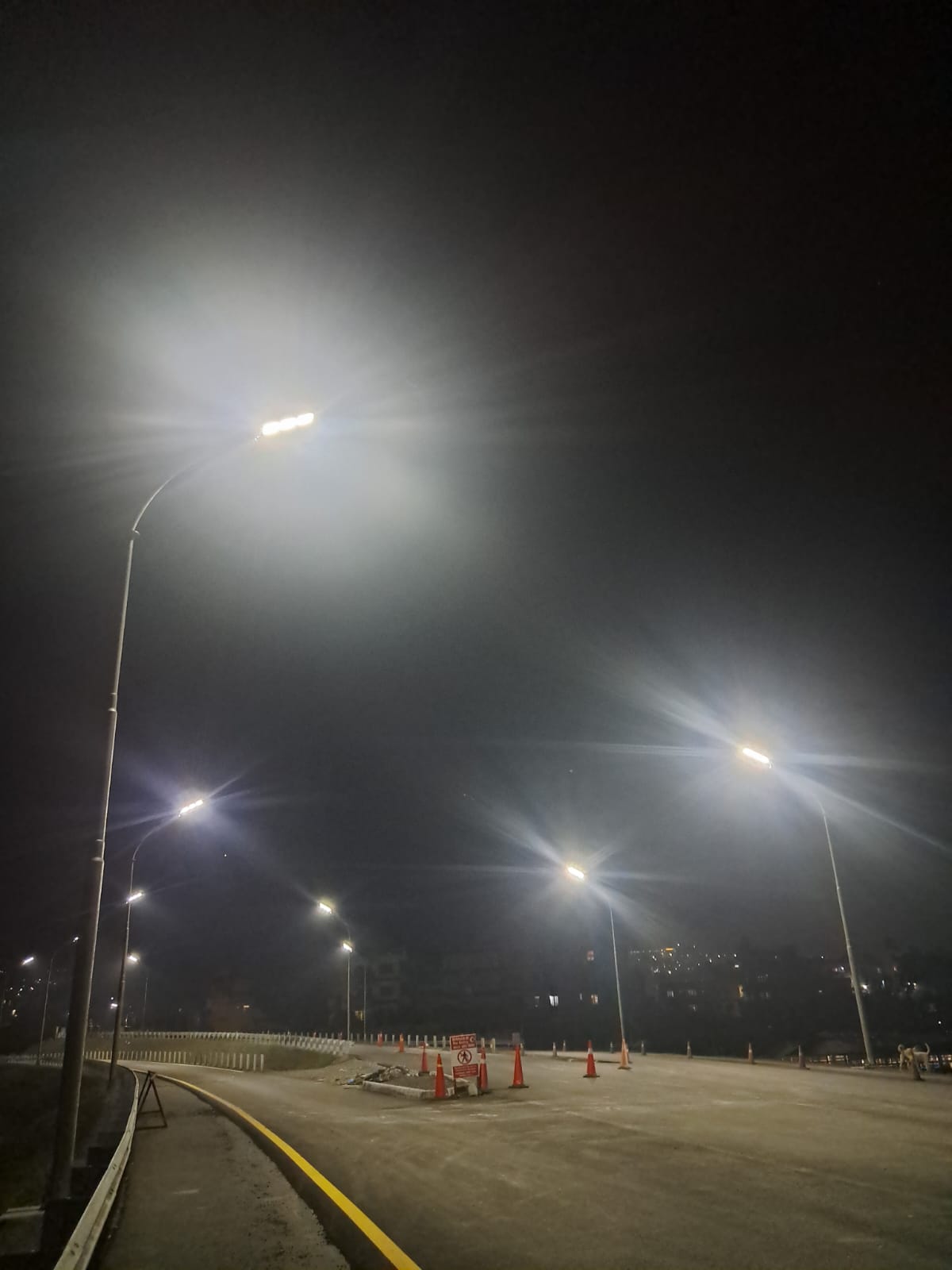
Solar Panel: 20–25 Years
LED Light Source: 11–20 Years (50,000–100,000 hours)
LiFePO4 Battery: 5–8 Years
Controller: 3–5 Years
Whole System Housing: 10–15 Years
Reference:
[1] https://www.lightwaytraffic.com/what-is-the-lifespan-of-solar-street-lights/
[2] https://luxmanlight.com/how-long-do-solar-powered-street-light-last-luxman-light/
[3] https://www.clodesun.com/how-long-is-the-lifespan-of-solar-street-lights/

Make your business profitable
Zero your Electricity bill
Leading the solar solutions industry

 English
  français
  Deutsch
  Español
  italiano
  русский
  português
  العربية
  Türkçe
  Malay
Malay  Indonesia